Effective Height & Spread Control
Bring oversized trees back to a manageable size that suits your boundary line and house layout.
Safe height reduction, selective canopy management and proper tree cutting solutions across Allenstown
Reliable canopy control and tree management throughout Allenstown and surrounding suburbs
When property owners search for Tree Lopping Allenstown, they are usually looking to reduce the height or spread of a tree that has become too large for their yard. We deliver safe, controlled canopy reduction that achieves the clearance you need without the severe structural damage caused by outdated topping practices.
Many older properties in Allenstown have backyard Mango, Raintree or Poinciana specimens that were crudely topped years ago. In Rockhampton's humid climate, these lopping wounds rapidly develop wood decay and multi-stem epicormic shoots that easily break away during wet-season storms. We provide professional corrective management to make them safe.
Bring oversized trees back to a manageable size that suits your boundary line and house layout.
Removing excessive end-weight prevents massive branch snapping when wet-season storms hit South Rocky.
Keep leaves out of gutters, clear space for solar panels and prevent limbs from scrubbing against your roof iron.
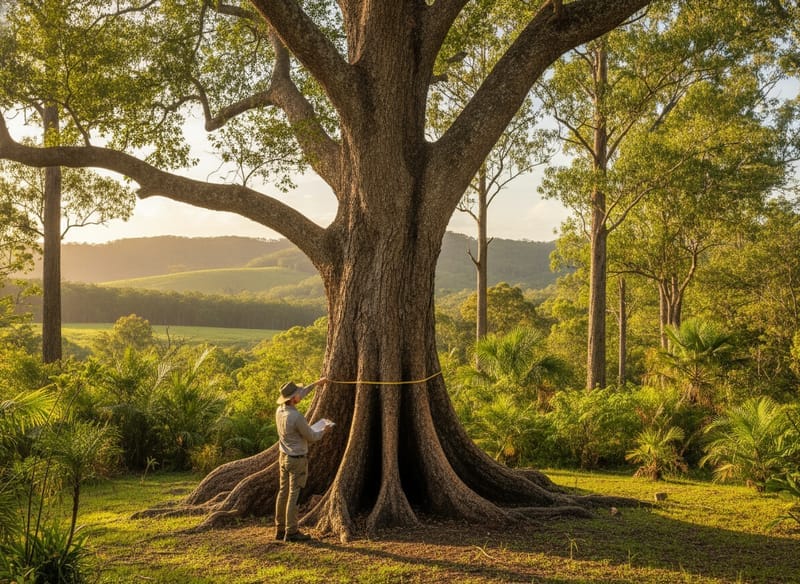
We assess the tree's current size, past cutting history, decay pockets and your clearance objectives.
We explain how to achieve your size reduction goals using selective lateral reduction rather than damaging flat topping.
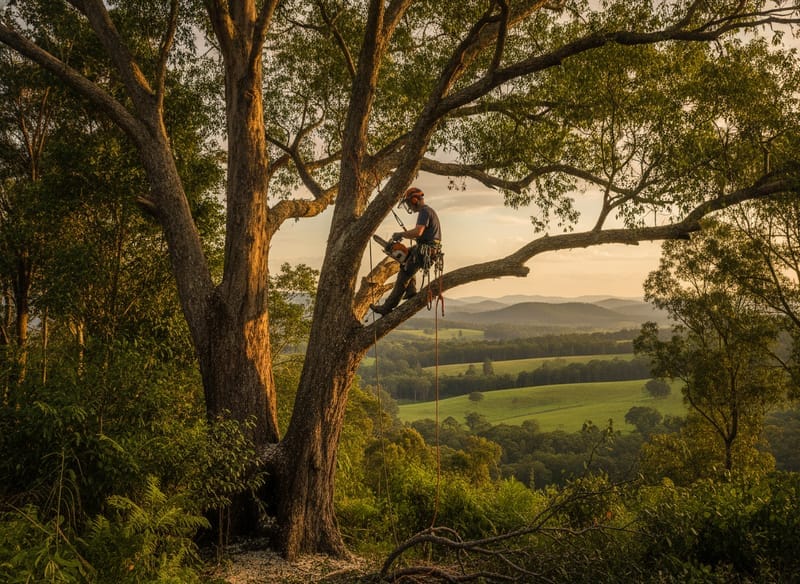
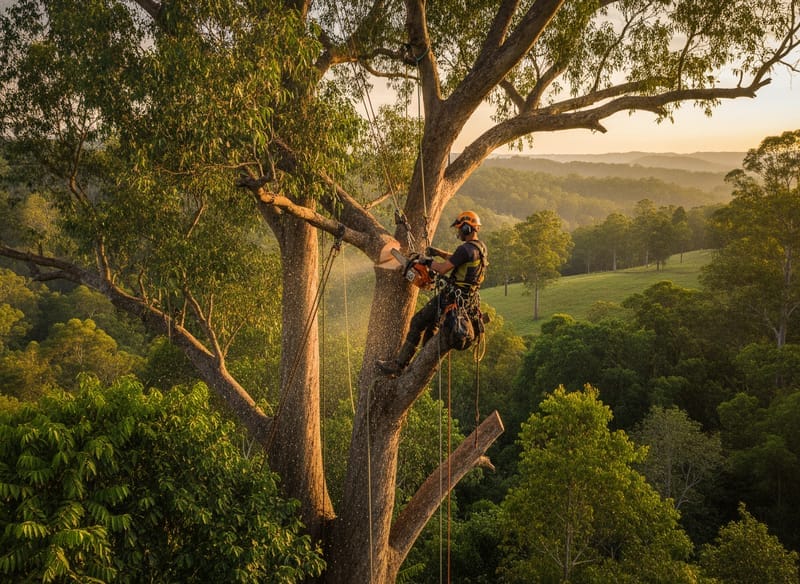
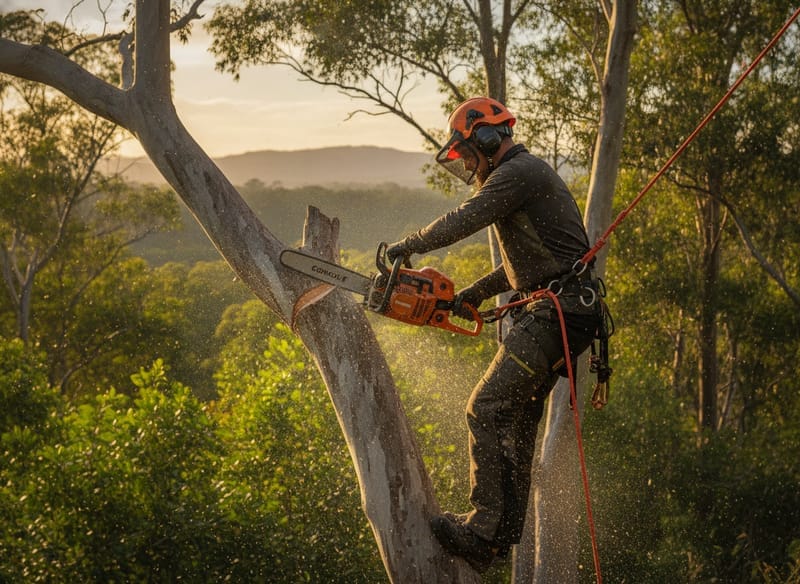
Our climbers prune the canopy back to appropriate growth points, roping down heavy timber safely.
All debris is chipped on site and your lawn is thoroughly cleaned of sticks and leaves.
When it comes to professional Tree Lopping Allenstown property owners rely on, our experienced arborists deliver safe, compliant, and highly skilled tree management. Located south of the river on the Fitzroy flood plain, Allenstown is defined by its beautiful old Queenslander homes and spectacular, mature canopy. But living in the dry tropics means our trees face a tough cycle—long, hot dry spells followed by the violent thunderstorm downbursts of the summer wet season.
The recent devastation of ex-Tropical Cyclone Koji in January 2026 was a stark reminder of what happens when stressed, heavy canopies meet extreme weather. Overgrown Poincianas and towering backyard Mango trees can quickly become serious hazards over tin roofs and side paths. Our team is dedicated to helping you manage that risk. We provide expert canopy reduction and maintenance, ensuring your trees remain healthy, your property stays safe, and your yard looks immaculate.
Homeowners often call us asking to 'lop' a tree because it has grown too large, is dropping branches, or has started lifting paths. But in the arboriculture industry, old-school tree lopping—making indiscriminate heading-back cuts that leave large, ugly stubs—is a highly destructive and outdated practice. When under-qualified operators hack back a mature Moreton Bay Fig or African Mahogany, the tree responds with rapid, weak epicormic regrowth. These new shoots are poorly attached to the stubs and are highly prone to snapping during Rockhampton's severe summer storms. Furthermore, large lopping cuts introduce rot and decay straight into the trunk, significantly shortening the tree's lifespan and creating a massive future hazard right above your roofline. Our team provides a professional, long-term solution. As qualified arborists, we adhere strictly to the AS4373 Pruning of Amenity Trees standard. Instead of brutal topping cuts, we assess exactly what you are trying to achieve—whether that is clearing the roof, increasing backyard sunlight, or reducing wind load. We then apply targeted, correct pruning methods to reduce the canopy safely. This approach promotes healthy growth, protects the structural integrity of the tree, and ultimately saves you money by preventing disastrous limb failures.
When you ask for tree lopping to make your tree smaller or safer, our climbers use these approved, standard-compliant techniques to achieve the right result without damaging the tree.
The correct, standard-approved alternative to topping. We reduce the overall height and spread of the tree by cutting branches back to a suitable growth point. This maintains the natural shape of local species like the Queensland Bottle Tree while drastically reducing wind resistance.
We carefully remove the lower branches of the canopy to provide clear space beneath the tree. This is essential in Allenstown for clearing pedestrian paths, driveways, or keeping sweeping limbs off the roofs of classic Queenslander homes.
Our climbers selectively remove secondary branches throughout the canopy without altering the tree's size or shape. This allows wind to pass through more easily during severe summer storm downbursts, significantly reducing the risk of a mature backyard tree uprooting.
We target specific branches that are causing an immediate issue, such as those interfering with service wires or rubbing against building facades, resolving the problem without over-pruning or stressing the entire tree.
Our team systematically navigates the canopy to safely remove dead, diseased, or dying branches before they can snap and fall, removing hidden hazards ahead of storm season.
Providing the high-quality Tree Lopping Allenstown locals expect requires careful planning, precision, and the right gear. Our process ensures your property is protected from start to finish.
First, we visit your site to understand exactly what you need. We inspect the target tree, check the access points down the narrow sides of your property, and look for hazards like overhead powerlines. We will provide a clear, upfront quote outlining the exact AS4373-compliant pruning methods we recommend to achieve your goals safely.
On the day of the job, our qualified climbers arrive fully equipped. For the tight Allenstown blocks where heavy machinery simply cannot fit, we rely on advanced rope-access climbing techniques to safely navigate the canopy. If access permits, we may bring in spider lifts or elevating work platforms (EWPs) to reach high branches securely.
As our climbers make the precise cuts, the ground crew safely lowers heavy limbs using specialised rigging ropes, ensuring absolutely no damage to your roof, fences, or garden beds. We then process all branches through our high-capacity wood chippers, leaving you with valuable mulch if requested. Finally, we rake and clean the site thoroughly, loading all remaining debris into our tipper trucks so your yard is left spotless.
Tree work is inherently dangerous, which is why safety and strict compliance are our absolute priorities. Every pruning and reduction job our team undertakes complies with AS4373 Pruning of Amenity Trees, ensuring the structural integrity and long-term health of your vegetation.
Our highly skilled climbing team holds AQF Level 3 in Arboriculture, alongside current tickets for working at heights, EWP operation, and first aid. For complex development applications or specific council requirements, we can provide formal assessments from our AQF Level 5 consulting arborist. We are fully insured with comprehensive Public Liability and WorkCover policies, giving you complete peace of mind when our trucks arrive at your property.
Working in Allenstown means managing large, established trees around classic heritage housing. The suburb features many beautiful, older properties with extremely tight side access, which often fall under the Rockhampton Regional Council's Heritage place overlay. When managing massive Moreton Bay Figs or heritage canopy in these classic streets, heavy machinery often simply will not fit. Instead, our climbers rely on advanced rigging to dismantle and reduce canopies safely over roofs and boundary fences.
Before undertaking any major clearing or pruning, it is vital to check Council's online planning tool, RockePlan, as your block might be affected by the Biodiversity areas overlay. Remember that Council's Local Law 1 strictly prohibits you from touching or pruning the street tree on your verge. Furthermore, following ex-Tropical Cyclone Koji in January 2026, a state disaster clearing exemption is in place until January 2027. This allows landholders to clear hazards to prevent property damage, but keeping photographic records of the hazard before our team completes the work is highly recommended.
After we have expertly reduced or thinned your canopy, your tree will need a brief period to adjust. We highly recommend giving the root zone a deep, slow soak, particularly during Rockhampton's long, hot dry spells leading up to the wet season. This helps the tree recover from pruning stress. Keep a close eye on the pruning sites. Because our climbers use proper branch collar cuts rather than blunt lopping stubs, the tree will heal over naturally. Never apply wound paint or sealants, as these trap moisture and promote decay. If you notice any unusual branch dieback or a sudden flush of growth, call our team back for a quick health assessment.
Pricing for tree lopping and canopy reduction in Allenstown is based on the scope of work and site conditions:
We offer upfront, fixed written quotes detailing all cutting and debris cartage costs.
We provide canopy management and tree cutting services across Allenstown and surrounding suburbs:
Get safe, practical canopy management for your overgrown trees. Request your free quote today.
Get a Free Quote